How do you feel after the Christmas holidays? Do you love the family gatherings and socialising, glittering lights, decorations and traditions and are sad to wave goodbye to it all for another year. Or are you excited by the start of a new 12 months stretching ahead of you, blank pages in diaries and big plans to be made? This blog is for everyone, the dedicated resolution setter who leans into setting goals and making plans… and those who are stepping into the new year with slightly more reluctance. We’re gathering some of our favourite New Year’s resolutions for you and your horse and ideas for how to take them from goals to reality! Let’s get started…
1. Set realistic, kind goals
January often arrives with a sense that we should be doing more – more training, more progress, more ambition. But one of the most valuable resolutions you can make, for both you and your horse, is to set goals that are realistic and kind.
That might mean focusing on consistency rather than intensity. Riding three or four times a week for 30/40 minutes a time will be far more beneficial than squeezing in sporadic longer training sessions. Start slow if your horse has had a winter break and create a plan that allows you time to set strong foundations. Make sure you work on your own fitness too, including strength, flexibility and balance, so that you’re an effective partner to them!
Progress doesn’t need to be dramatic to be meaningful. Small improvements, built steadily, are what create long-term results.
2. Put fitness and conditioning first
Fitness is the foundation that everything else sits on – a long season with a healthy, happy horse. If you rush things and your horse isn’t fit enough then they might lose confidence, their recovery takes longer and the risk of injury increases.
Now is an ideal time to take stock of where your horse is physically and to build a clear, progressive conditioning plan. This doesn’t mean endless schooling sessions; in fact, variety is the spice of life. Hacking, hill work, polework and straight-line exercise all play an important role in developing cardiovascular fitness and muscle strength.
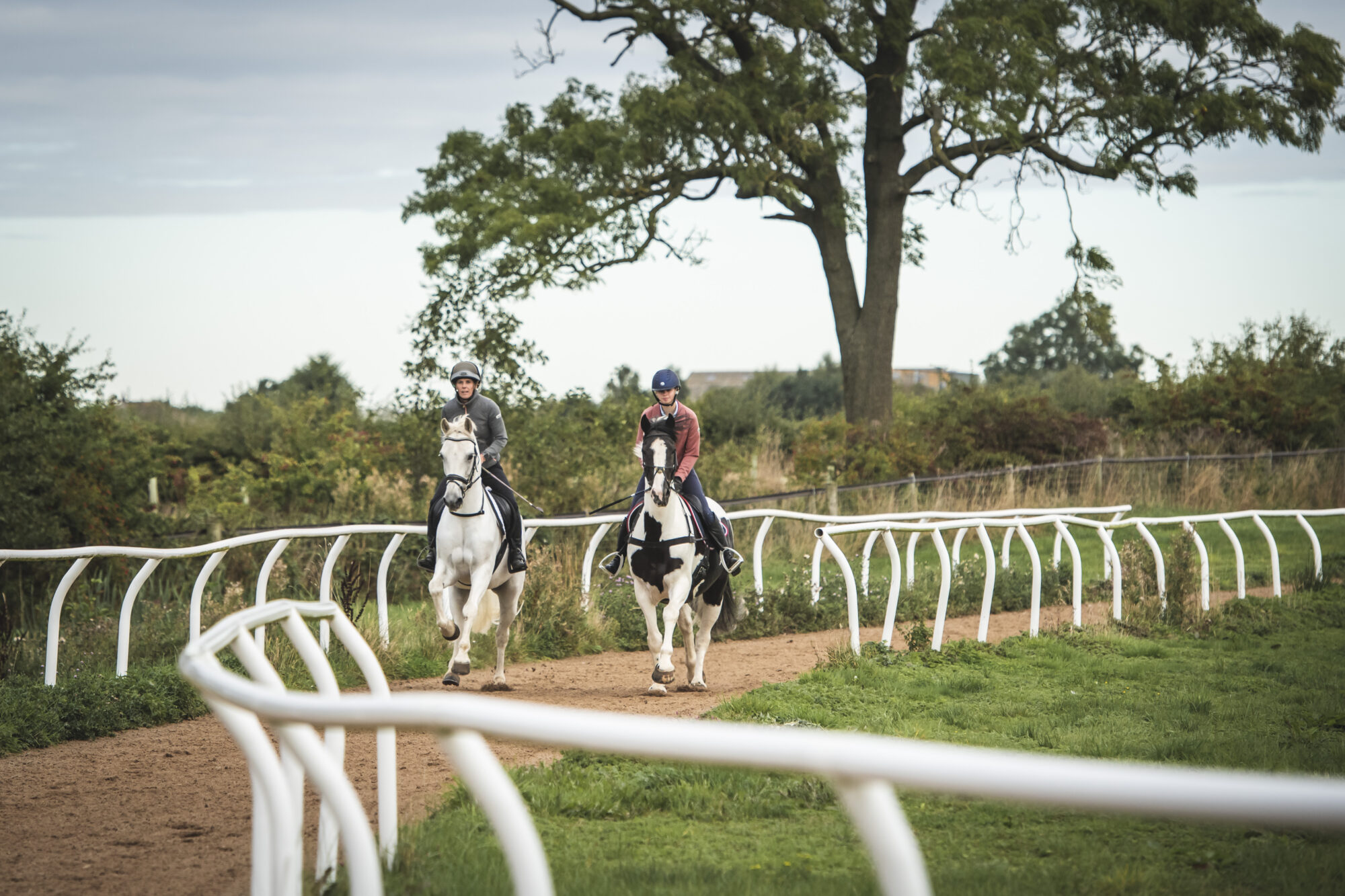
Using structured facilities, such as gallops or a water treadmill, can allow fitness to be built and give a break from day-to-day routine. The aim is gradual, consistent loading that supports soundness, rather than sudden increases that can overwhelm the body.
3. Create a routine that works in real life
The best training plan in the world is going to be ineffective if it doesn’t fit around your everyday life and you just can’t stick to it. Short days, winter weather, work and just life throwing a spanner in the works can all influence how much time and energy you have. A good New Year’s resolution is to create a routine that works for you (and allows room for those unexpected issues), rather than trying to replicate someone else’s ideal week.
Short, focused sessions can be incredibly effective and much easier to stick to than long and complicated plans. You might also find that planning your week ahead makes it much easier to stay consistent – you wake up on a Wednesday morning knowing that you’ve got a gridwork clinic, Saturday is a hack and Sunday is boxing to the water treadmill. It’s equally important to build in days off and lighter sessions – there’s a lot of 2026 ahead and recovery and rest will help you and your horse stay sound and healthy until next winter.
4. Support your horse’s overall wellbeing
Performance is important, but it should never come at the expense of comfort and wellbeing. A horse that feels physically and mentally comfortable is far more likely to progress and to enjoy their work.
January is a good time to check that everything is supporting your horse as it should be. That might include reviewing saddle fit, physio input or dentistry, particularly if their workload is changing. Small areas of tension or discomfort can easily go unnoticed over winter but become more apparent once training increases.
5. Break big goals into manageable steps
It’s easy to feel overwhelmed by a goal that sits four (or more) months away. One of the most effective resolutions you can make is to break your larger ambitions into smaller, measurable steps.
Instead of focusing solely on an end point, think about what progress will look like along the way and plan in rewards for hitting those smaller goals.
Keeping a simple training diary or notes on your phone can help you track these changes. Seeing progress written down, even when it feels subtle, is often hugely motivating.
6. Ask for support when you need it
Perhaps the most important resolution of all is remembering that you don’t have to do everything on your own.
Asking for help from an instructor or coach, vets, physiotherapists or rehab and fitness professionals isn’t a sign that something has gone wrong. More often, it’s a proactive step that saves time, frustration and setbacks. It even helps to ask a friend to hold you accountable, especially when it comes to fitness goals or sticking to a riding plan that includes early mornings or boxing to clinics on winter evenings!
New year’s resolutions don’t need to be about pressure or perfection. Instead, try to think of them as about setting direction, laying foundations and approaching the year ahead with purpose!